2.7
Waste sorting
The operator must follow Isavia's procedures for waste sorting and minimize the waste generated.
Isavia's goal is to achieve a sorted waste rate of 55% by 2025 and 70% by 2030. One of Isavia's objectives is to focus on good resource utilization, waste minimization, and increased recycling.
Isavia has implemented a smart waste solution that lets operators track and measure waste. With a clear view of their data, partners can easily identify improvements, boost recycling rates and reduce overall waste.
Waste must be collected in clear bags, not black bags
Operators are responsible for disposing of waste at the nearest recycling facility and follow the Isavia guidelines for sorting.
Packaging and sorting material for recycling must be clean from food residue etc. Unclean and dirty packaging should be placed in general waste.
Operators are responsible for the disposal of larger items such as furniture, larger electrical appliances, equipment, hazardous waste and other items that fall outside daily operations.
It is prohibited to leave waste or equipment on the floor at the recycling facility.
It is prohibited to store waste or equipment outside the operator's premises.
For question, please send to umhverfi@isavia.is.
2.7.1
Waste sorting at Keflavík Airport
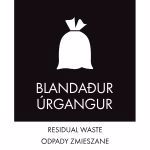
Non-recyclable waste, e.g. disposable gloves, duct tape, pens, sanitary pads and diapers.
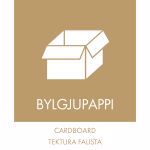
Clean and dry cardboard, clean pizza boxes.
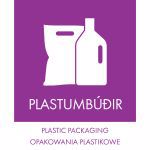
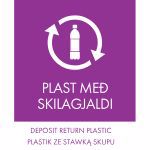
Plastics, food containers, trays and plastic buckets. Wrap of pallet loads and plastic bags.
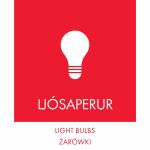
Lightbulbs.
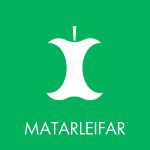
Food left overs, coffee ground, tea bags and napkins. Collected in paper bags.
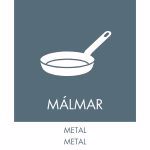
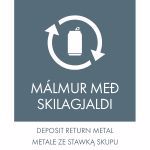
Metals e.g., cans, steel and metallic cutlery.
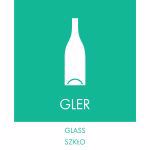
Broken glass.
Postulín
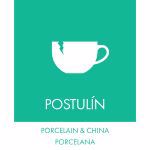
Broken porcelain.
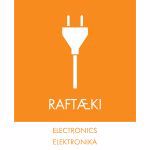
Electronics that fit into the electronic bin, keyboard, computers, coffee makers, phones e.t.c. Operators take care of bigger electronics themselves.
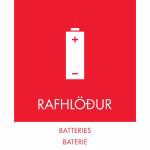
Batteries.
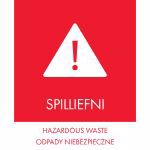
Chemical products labelled with hazardous signs and respecitve packaging, oil and oil-contaminated waste (e.g. oily rags), paint, varnish and solvents (thinners).
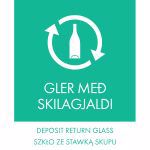
2.7.2
Waste Sorting by Contractors at Keflavík Airport
Contractors are responsible for complying with Isavia’s waste management guidelines, including proper sorting of waste and disposal in accordance with the procedures established in Grænás.
Waste or equipment must not be left in corridors or recycling areas under any circumstances.
Isavia’s objective is to achieve a 55% waste sorting rate by 2025 and 70% by 2030. A key goal of Isavia is to promote efficient use of resources, minimize waste generation, and increase recycling.
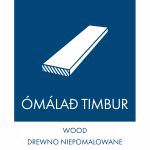
Pallets, construction timber, hardwood and planed wood.

Painted, weather-protected or plastic-coated timber, plywood, glued timber, tar-soaked plywood, parquet, decking materials and chipboards.
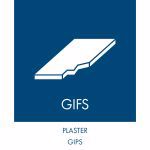
Plaster.
Cardboard and clean pizza boxes.
Clean plastic packaging, plastic films, bags, trays from food and bottles.
Metal, e.g. Tin cans, cuttlery, iron, aluminium.
Broken glass, glass bottles and glass containers.
Broken porcelain and tableware.
Worn-out electrical appliances, e.g., screens and keyboards, phones, smaller household appliances, and computers. Operators are responsible for the disposal of larger electrical appliances themselves.
Chemical products marked with hazardous symbol and the respective containers, oils and oil-contaminated waste (e.g., oil-contaminated rags), paint, varnish and solvents.
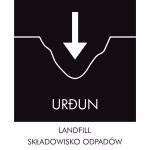
Bulky/large items made from different materials, e.g., furniture and mattresses, insulation and carpets, MDF.